
Film marketing used to start much later in the process. You made the movie, then you figured out how to tell people it existed. Social media changed that completely. Today, the audience-building can begin before the first frame is cut.
Build the Audience Early
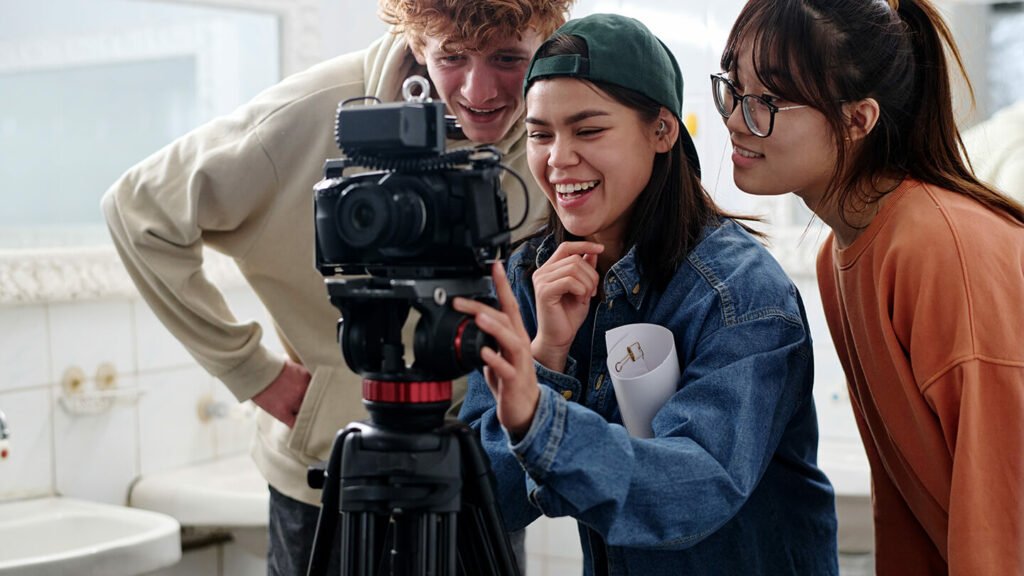
Behind-the-scenes clips, casting announcements, production stills, location teases, and short updates can all help create interest long before a film is finished. That does not mean every project needs a loud campaign. It means there is value in letting the work breathe publicly as it develops.
When done well, this creates familiarity. By the time the film is ready, people already have some stake in it.
Different Platforms, Different Uses
Instagram is still strong for visuals, process, and polished updates. TikTok rewards immediacy, personality, and less formal behind-the-scenes storytelling. YouTube Shorts can be useful for repurposing, reach, and longer-tail discoverability.
The mistake is trying to make every platform behave the same way. Each one has its own rhythm and audience expectation.
Buzz vs. Vanity Metrics
Not every view, like, or comment means your film is gaining real traction. Genuine festival buzz usually shows up in patterns: programmers respond, peers share it, and the project gets talked about beyond the filmmaker’s own circle.
Vanity metrics can be useful, but they are not the same thing as momentum.
Lean Campaigns Can Still Work
You do not need a huge ad budget to market an indie film well. You need consistency, clarity, and content that feels authentic rather than overproduced.
A lean campaign works best when it has a simple story to tell and enough discipline to keep showing up over time.
The Personal Brand Question
For independent filmmakers, your personal brand and your film’s brand are often intertwined. People do not just follow projects. They follow voices.
That can be an advantage if you are willing to let your process be visible. It makes the work feel more human and helps audiences connect with the person behind the film.
What Broke Through
There are plenty of examples of indie films that benefited from social content, from massive audience-driven phenomena to smaller projects that built cult traction through clips and conversation. The scale can vary, but the principle is the same: attention is now part of the creative workflow.
The New Reality
Social media did not replace festivals, reviews, or word of mouth. It became part of the same ecosystem. Filmmakers who understand that can shape their rollout more deliberately and give their work a better chance to be seen.
That is the new playbook, whether we like it or not.