

Post-production can feel mysterious until you break it into stages. Once you do, the process becomes much easier to manage and much less likely to spiral.
A solid indie workflow usually moves through the same core sequence: assembly cut, first cut, director’s cut, picture lock, color grade, sound design and mix, titles and VFX, then final deliverables.
Assembly Cut to First Cut
The assembly cut is the first full version of the film built from the edit. It is usually rough, long, and incomplete. That is normal. The goal is to see what exists and what the material is telling you.
The first cut begins shaping that raw material into something closer to the final film. At this stage, the editor and director are still discovering the structure.
Director’s Cut and Picture Lock
The director’s cut is the version where the film begins to reflect the creative intent more clearly. Once the team agrees on the edit, the project moves toward picture lock. That moment matters because it freezes the editorial structure and lets the rest of post begin in earnest.
Do not start serious audio work before picture lock unless you absolutely have to. Changes in the edit can ripple through sound and music in expensive ways.
Color and Sound
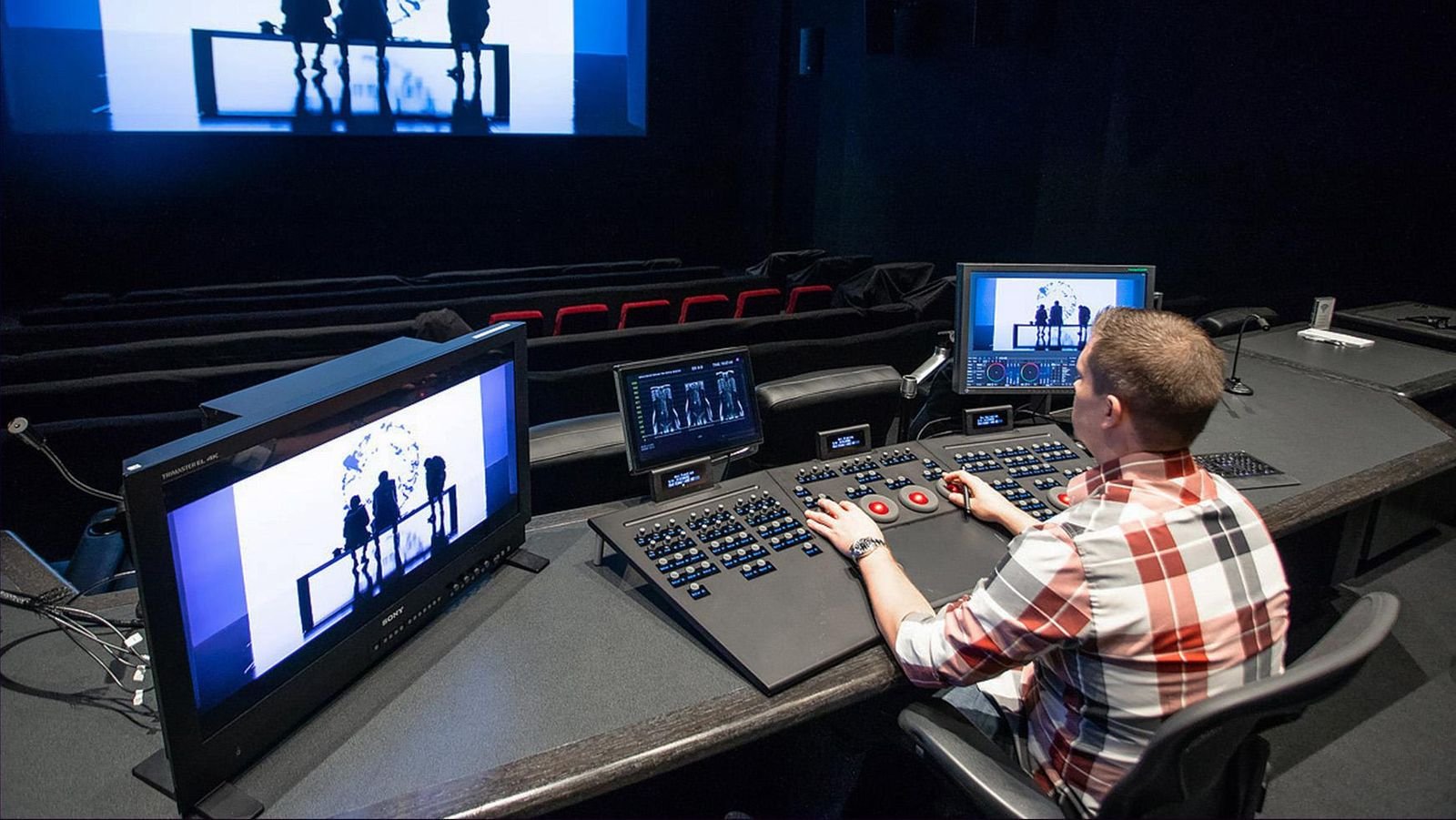
After picture lock, the film moves into color correction and grading. Tools like DaVinci Resolve have become the standard for a reason: they are powerful, accessible, and capable enough for both indie and professional workflows.
For editing, Premiere Pro remains widely used. For audio, Pro Tools is still a standard in many post environments, though Logic Pro X can also be effective depending on the project and the team.
Sound design and mix should not be treated as an afterthought. They are part of the film’s final emotional shape.
Titles, VFX, and Deliverables
Once the core picture and sound are stable, titles, lower thirds, motion graphics, and any necessary VFX can be finalized. Then come deliverables: festival exports, online versions, social cutdowns, DCP if needed, and ProRes masters.
A common indie mistake is underestimating delivery specs. Festivals and distributors do not all want the same thing, and it is worth checking requirements early.
Common Bottlenecks
The most common bottlenecks are music clearance, delayed picture lock, and unrealistic timelines. If the edit keeps changing, everything downstream gets squeezed. If music is not cleared in time, the final mix stalls. If the schedule is too optimistic, people start compromising too early.
The solution is not magic. It is planning. Build your post schedule with enough buffer to survive the inevitable surprises.
The Big Picture
A good post workflow is not just about technical order. It is about protecting the film from chaos. When everyone understands the sequence, the project moves with less stress and better results.
That structure is one of the best tools an indie filmmaker can have.